Annie Wauneka stood out among her people. Well-known and respected, she played an important role in the history of the Navajo Nation. She was the first woman elected to the Navajo Nation Council, where she served for 27 years, from 1951 to 1978. During her service on the Council, she was a strong political advocate for her people. Deeply committed to her community and her Nation, she strove to improve the lives of others.
Who was Annie Wauneka?
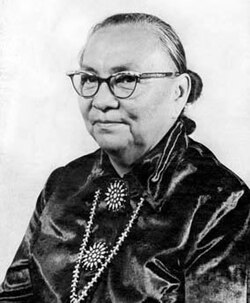
Born in 1910, she was a leader who spoke publicly and strongly for causes she believed in, including education, health care, and cultural preservation. She was knowledgeable and confident in her work, and she communicated effectively in both English and Navajo, allowing her to reach many people. Because of her determination, she was able to bring meaningful change to the Navajo Nation.
Her father, Henry Chee Dodge, was the last official Head Chief of the Navajo Tribe and later served as Chairman of the Navajo Tribal Council from 1942 to 1946. During his leadership, he helped secure more than one million dollars in mineral royalties for the Navajo Nation. He passed away in January 1947.
Throughout her life, Annie Wauneka received many honors for her work and service. In 1963, she received the Presidential Medal of Freedom from Lyndon B. Johnson. She also received the Indian Council Fire Achievement Award and the Navajo Medal of Honor. The University of New Mexico awarded her an honorary doctorate in Humanities for her work in public health. In 2000, she was inducted into the National Women’s Hall of Fame. Annie Wauneka passed away in 1997 at the age of 87.
Why do I tell you about Annie Wauneka’s legacy?
Because she was one of the Navajo Nation’s greatest leaders. She represents commitment, determination, and humility. She was a modest and conservative woman, but she carried great strength in her leadership.
I had the privilege of meeting her at the Window Rock Fair when I was about ten or eleven years old. At the time, she seemed like just another person in the crowd. But I noticed something special about her. She walked among her people with dignity, and people were naturally drawn to her. Annie had a presence about her. She was intelligent, well spoken, kind, and open-minded.
That is what I witnessed every time I saw her when I attended the Window Rock Fair as a young person.
Annie Wauneka’s leadership inspired me. Even though she may not have known it, she influenced me greatly. By watching her from a distance, she taught me about advocating for myself and for the people around me.
The theme for Women’s History Month in 2026 is “Women Shaping a Sustainable Future.”
That is exactly what Annie Wauneka did for our people. She built a path for future generations. Yet I sometimes feel that as a Nation we did not fully carry that torch forward. It is our responsibility today to reflect on that theme.
What does it mean to shape a sustainable future?
It means becoming sponsors for our people and for the Navajo Nation. A sponsor is someone who advocates for what is needed. A sponsor speaks up, opens doors, and helps others succeed.
This belief is one of the reasons the Navajo Veterans Organization was created. The need was clear. Many veterans did not have access to support organizations on the reservation. Most services were located off the reservation, which meant veterans had to travel long distances to receive assistance.
Because of that need, we created an organization that could serve our own people.
Today, we gather not only to honor women but also to recognize our role in shaping a sustainable future through our work and our leadership. We must remember that we are also mentors. A mentor provides guidance, encouragement, and support to others.
At key moments in my life, Annie Wauneka became a kind of sponsor for me. She advocated for my work, helped position me for opportunities, and ensured that my contributions were seen. I worked hard and earned my accomplishments, but she helped open doors that might otherwise have remained closed.
To this day, I think of her as part of my personal board of directors, a practice that has shaped how I approach my own career and leadership. She may never have known that she inspired me to invest in myself and, most importantly, to “give to gain” for my people.
This idea of giving to gain is also part of a global message recognized during International Women’s Day.
We celebrate Women’s History Month each March since it was officially recognized by the United States Congress in 1987.
This month reminds us to honor the achievements, leadership, and lasting contributions of women everywhere. It celebrates not only nationally recognized leaders but also the everyday women whose work strengthens families, communities, and future generations.
The Navajo Nation is home to many women whose dedication, wisdom, and service continue to leave a powerful legacy for all of us.
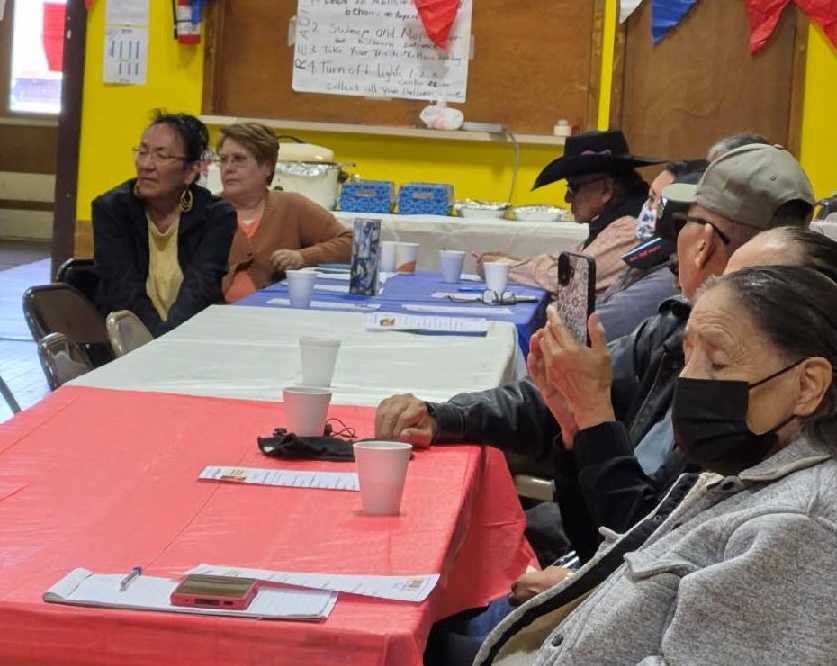
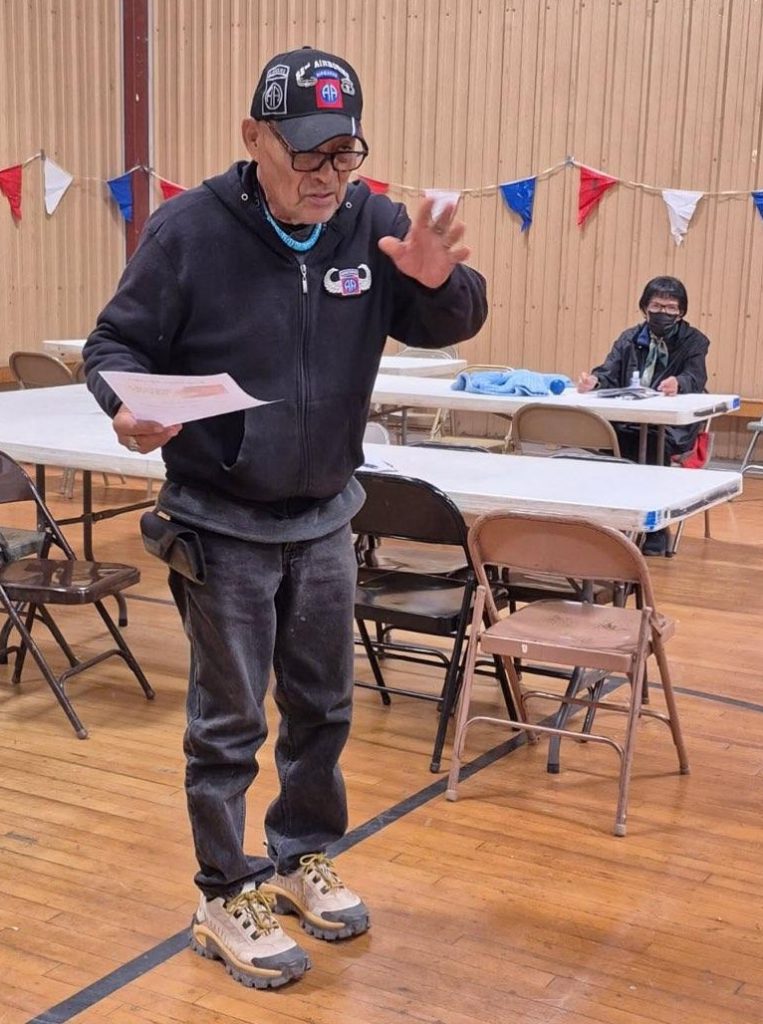
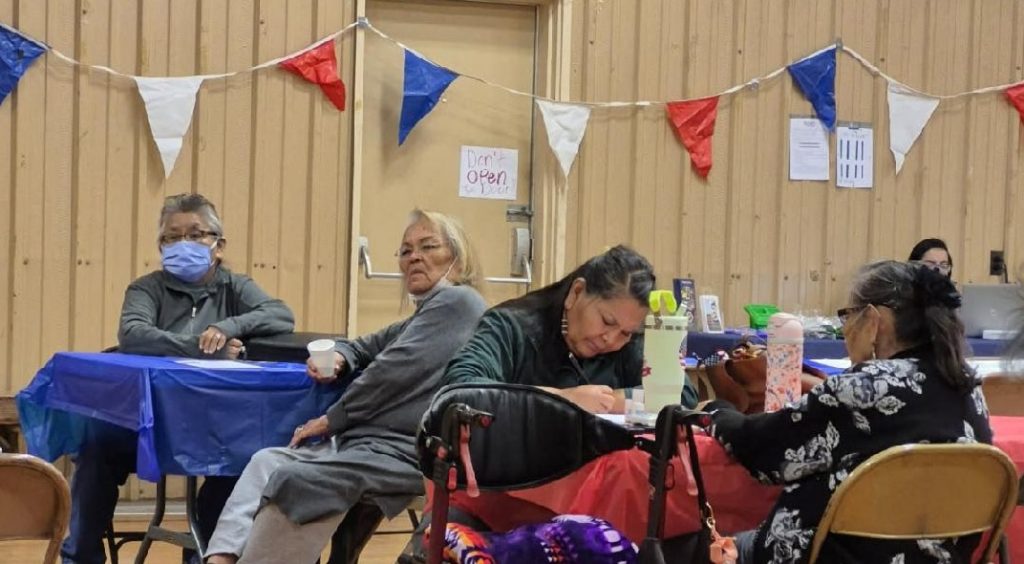
Pictures from the event: